Assembly lines need accurate product identification at each process step. When products move continuously on a conveyor, manual identification can lead to missed records, work-instruction delivery errors, and limited assembly history.
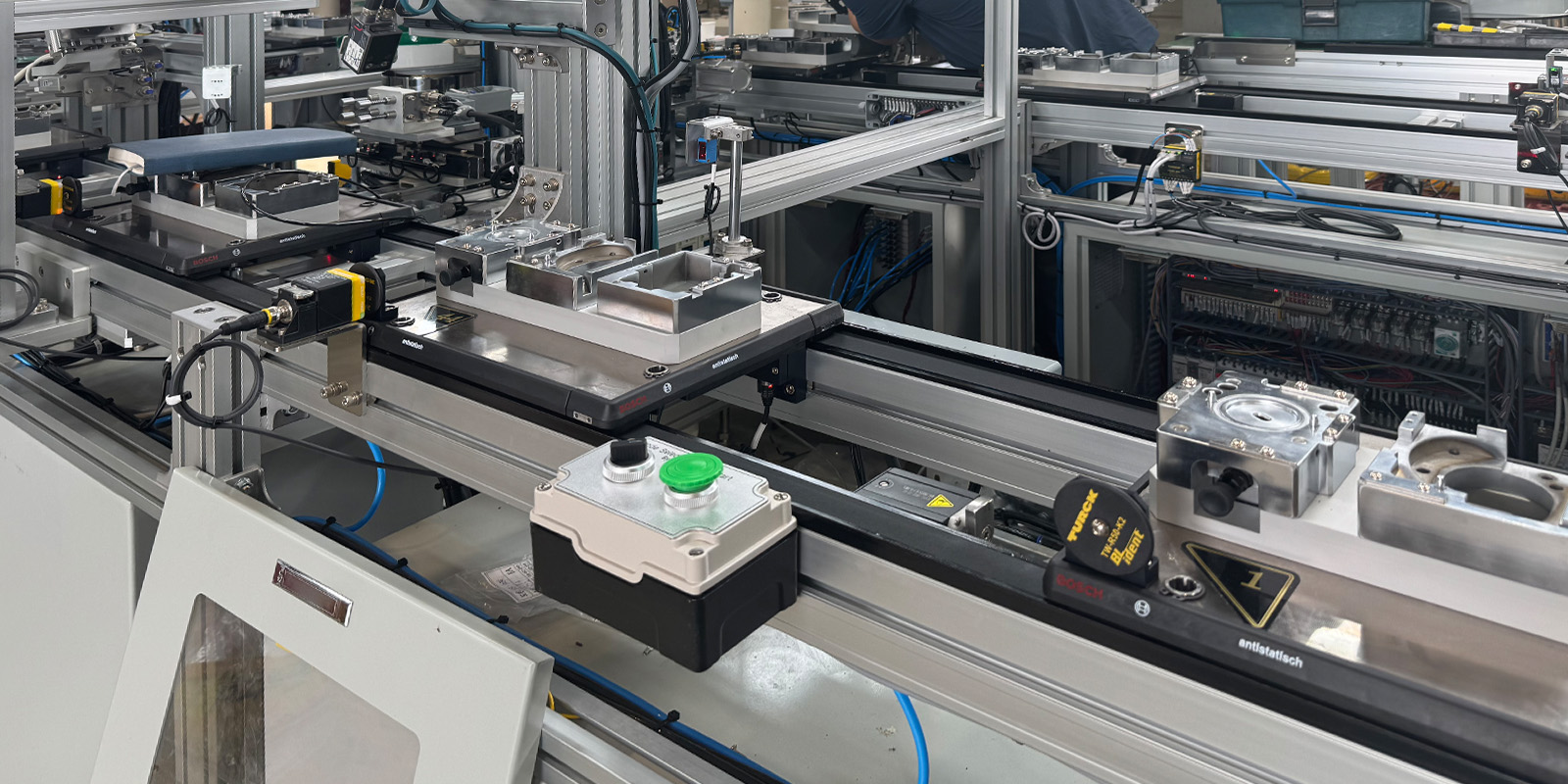
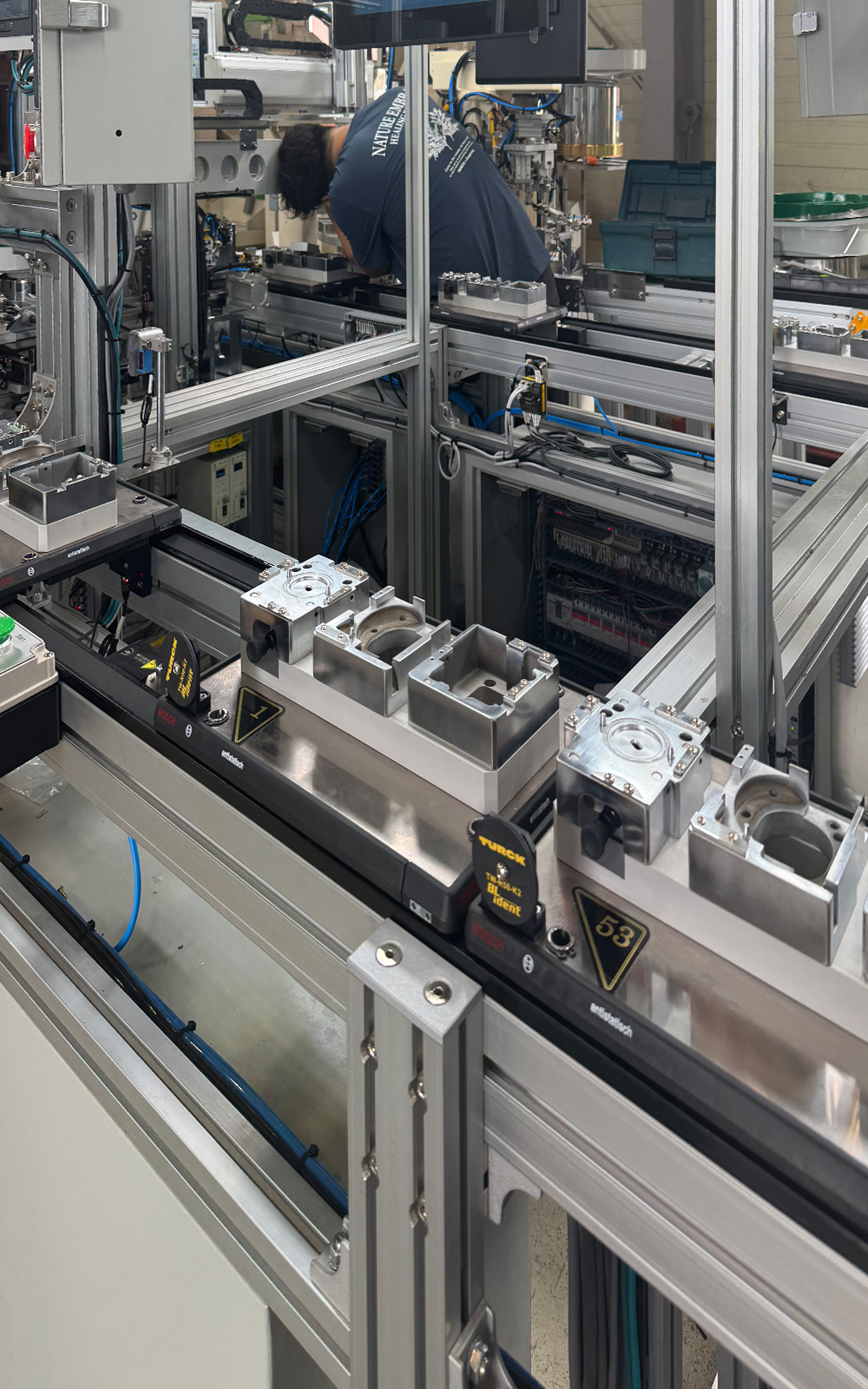
This project applied RFID to a conveyor-based assembly line so products could be identified in motion and matched with process-specific work instructions.
Challenge
The operation needed stronger product identification by assembly step. Without automatic recognition, work instruction delivery and assembly history collection were more vulnerable to errors.
Limited process visibility and automation also made it harder to build a reliable traceability layer across the line.
Applied Solution
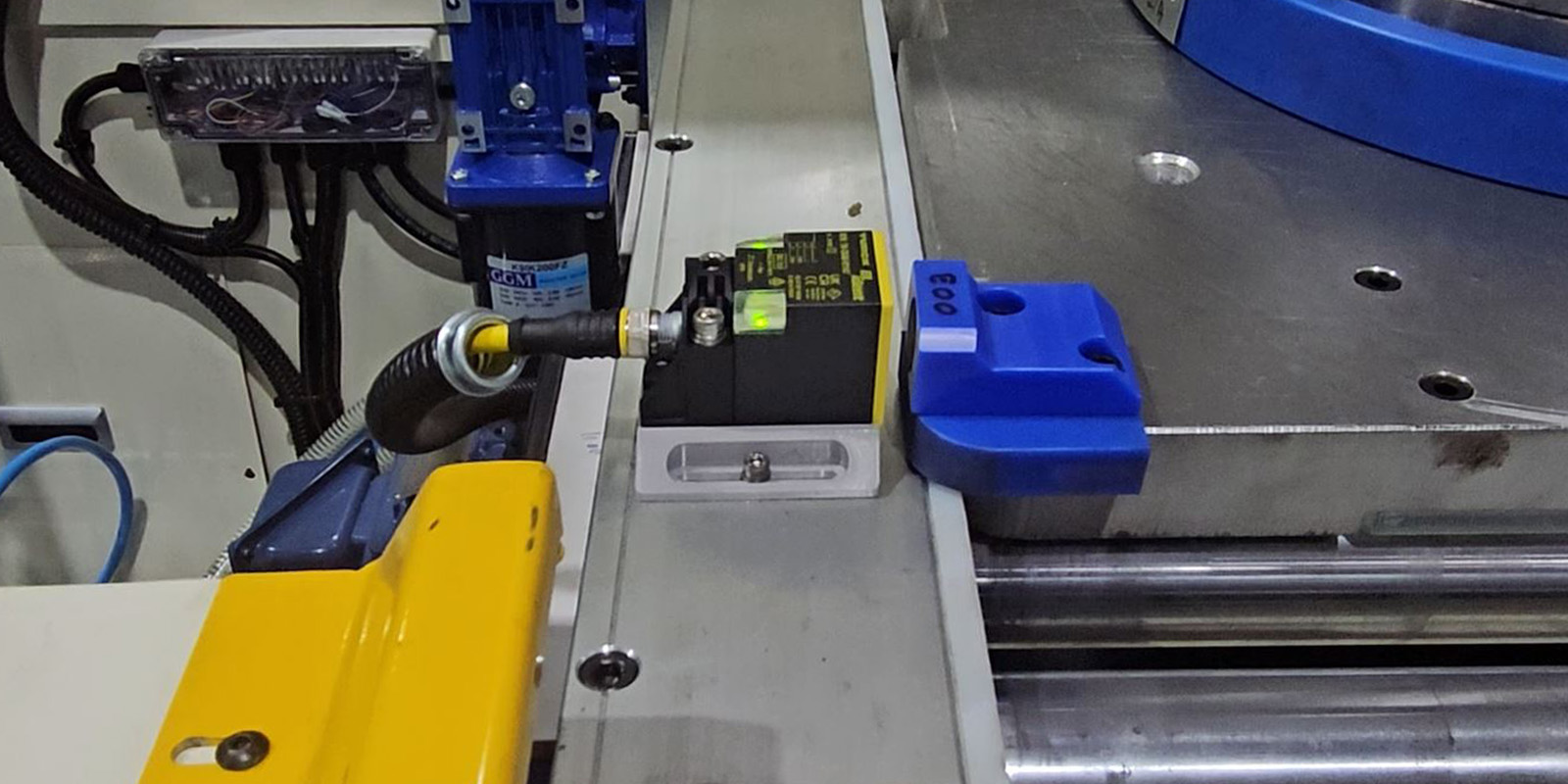
RFID read points were added near the conveyor flow to identify products during movement. The RFID data can be linked with process instructions, assembly history, and automation systems.
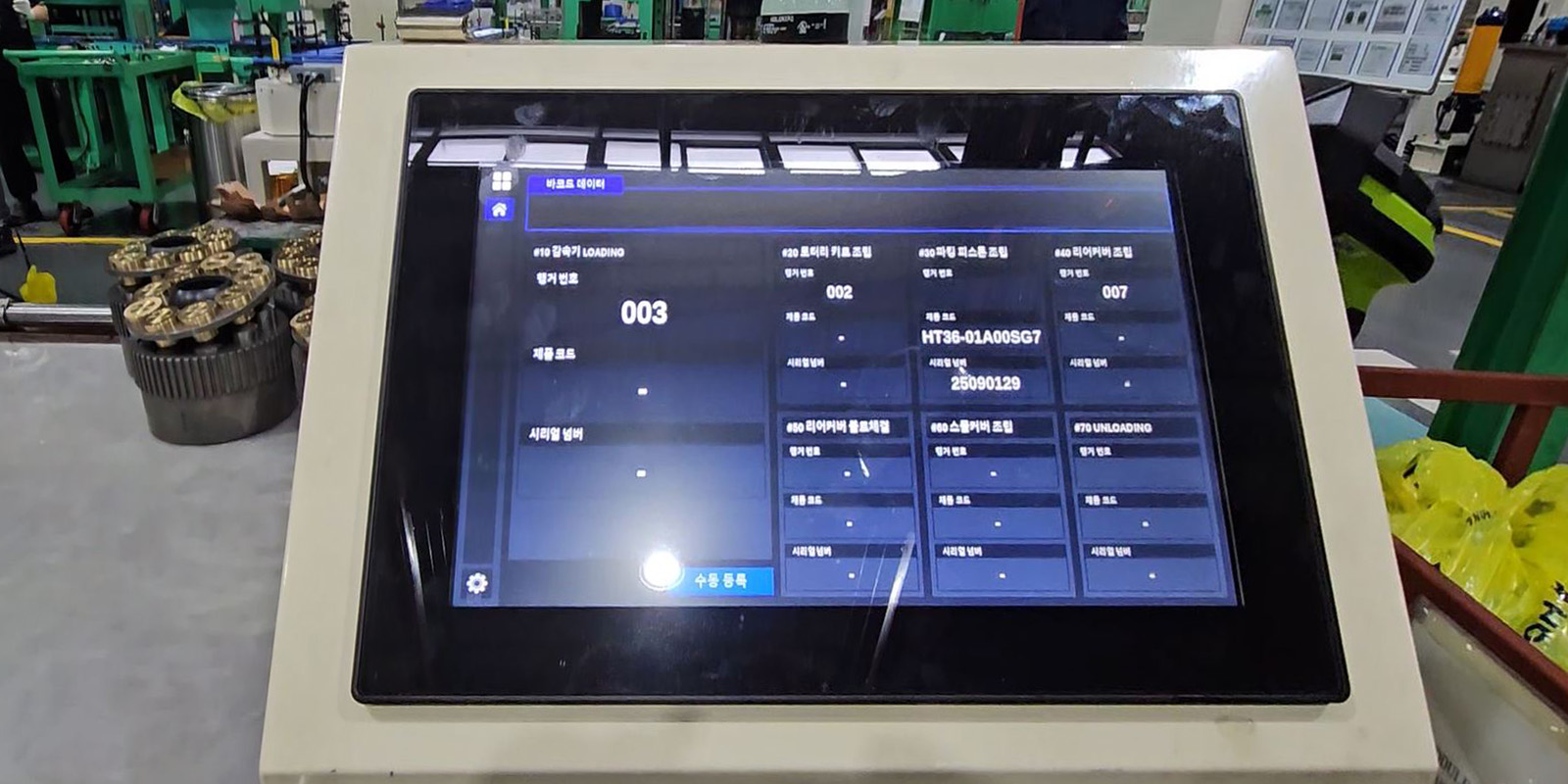
The solution also supports integration with manufacturing systems such as MES, allowing RFID events to become part of the production record and enabling process-specific work instructions to be matched automatically.
Outcome Direction
The RFID layer improves assembly accuracy, supports better process visibility, and strengthens quality traceability. Operators can work more efficiently with reliable identification data, while production systems gain a clearer view of each product’s progress.
This creates a foundation for a smarter assembly line with automated tracking, improved production history, and higher productivity.
Source use case: DAT Solution