Pharmaceutical logistics requires accurate shipment, inventory, and usage information. When usage tracking and box-level verification depend on manual checks, mismatches between purchase requests, packaging units, and outbound shipments can create operational risk.
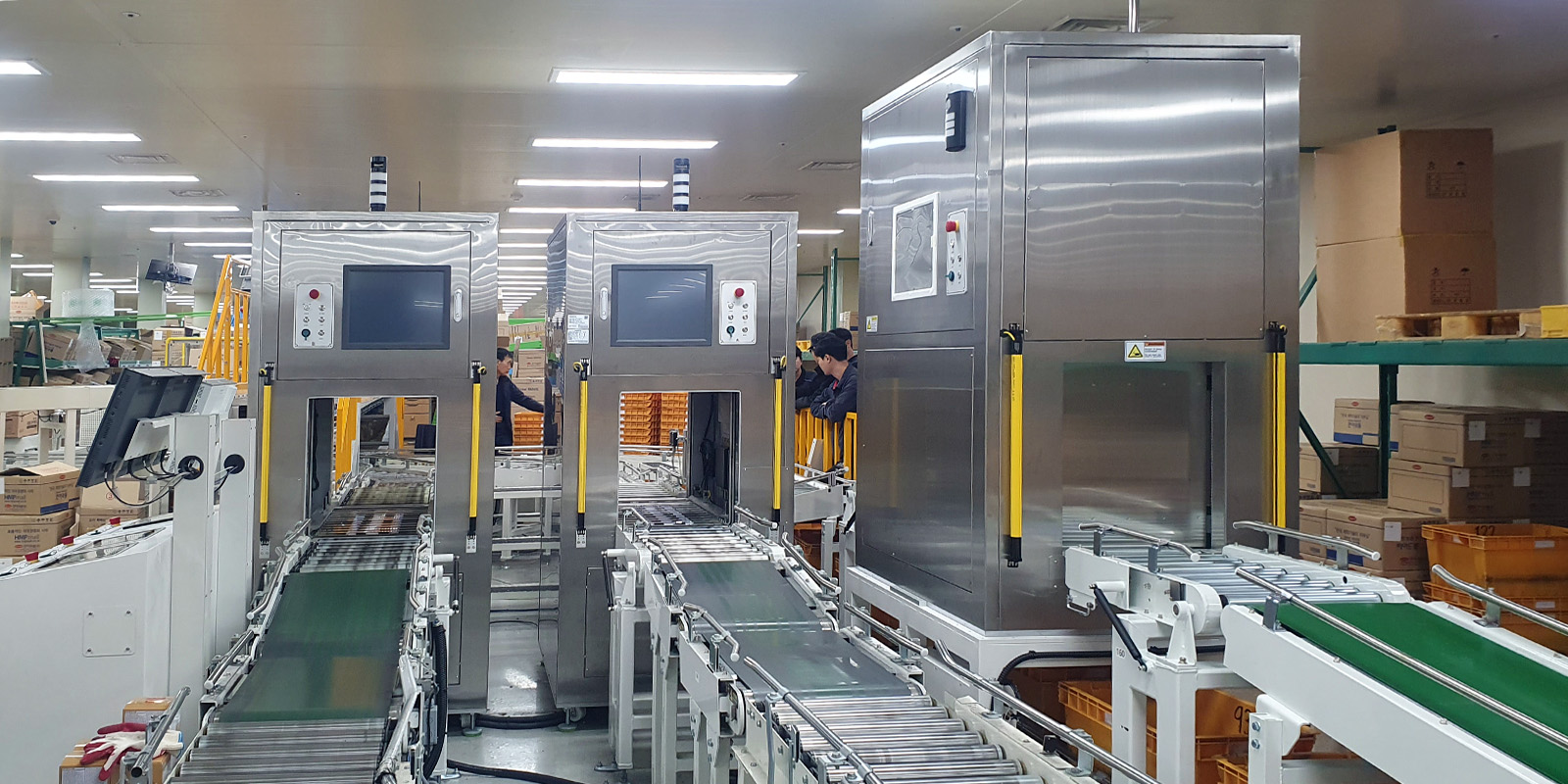
This project used a tunnel-type RFID system to automatically identify pharmaceutical boxes as they moved through the logistics process. The solution was designed to collect movement data without contact and support more reliable matching between requested and shipped items.
Challenge
The operation needed a more systematic way to track pharmaceutical usage, inventory, and outbound shipments. Manual verification made the process slower, weakened real-time visibility, and increased the possibility of mismatch errors.
Box-level matching was especially important because each shipment needed to be validated against the requested items before dispatch.
Applied Solution
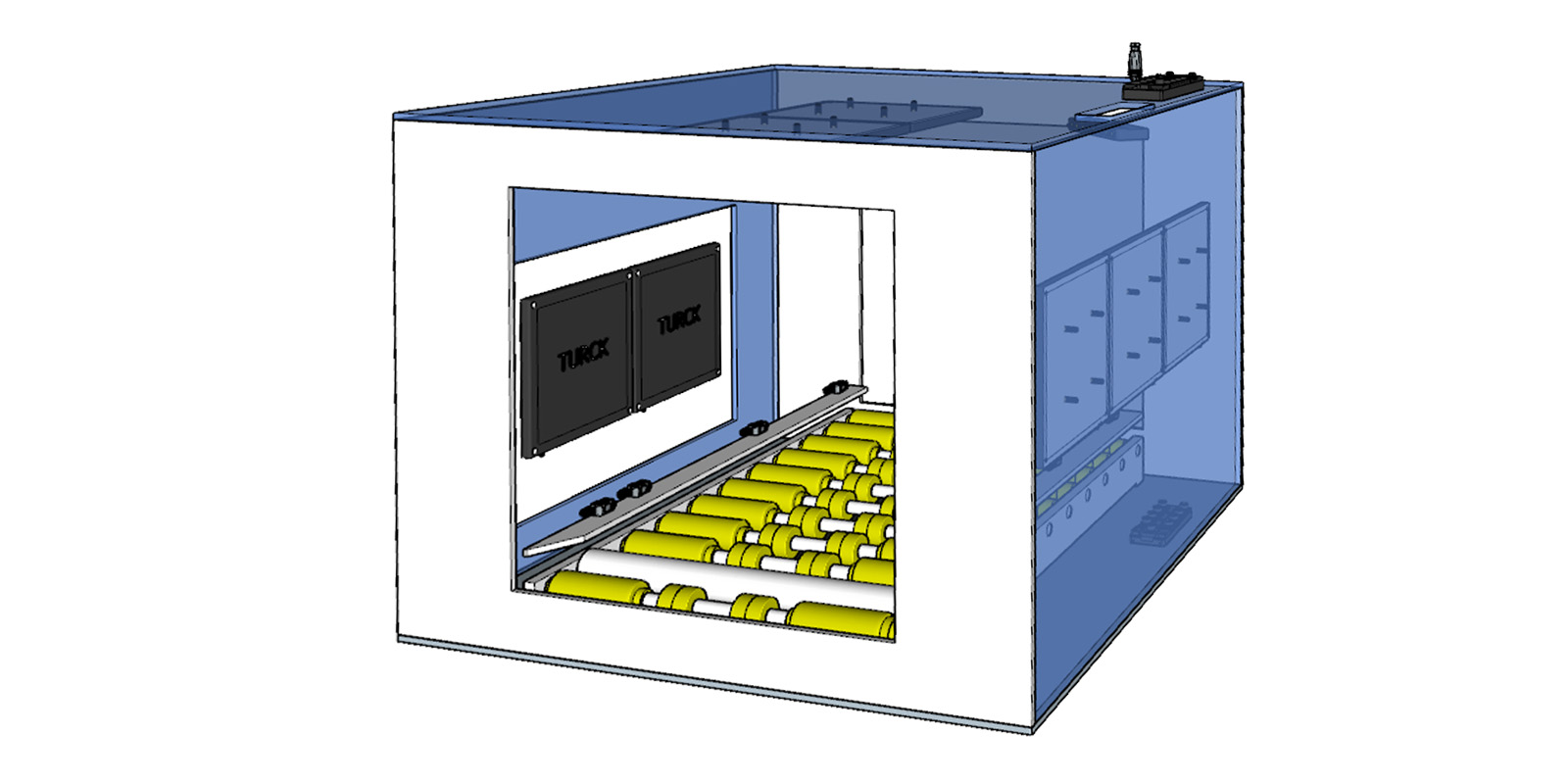
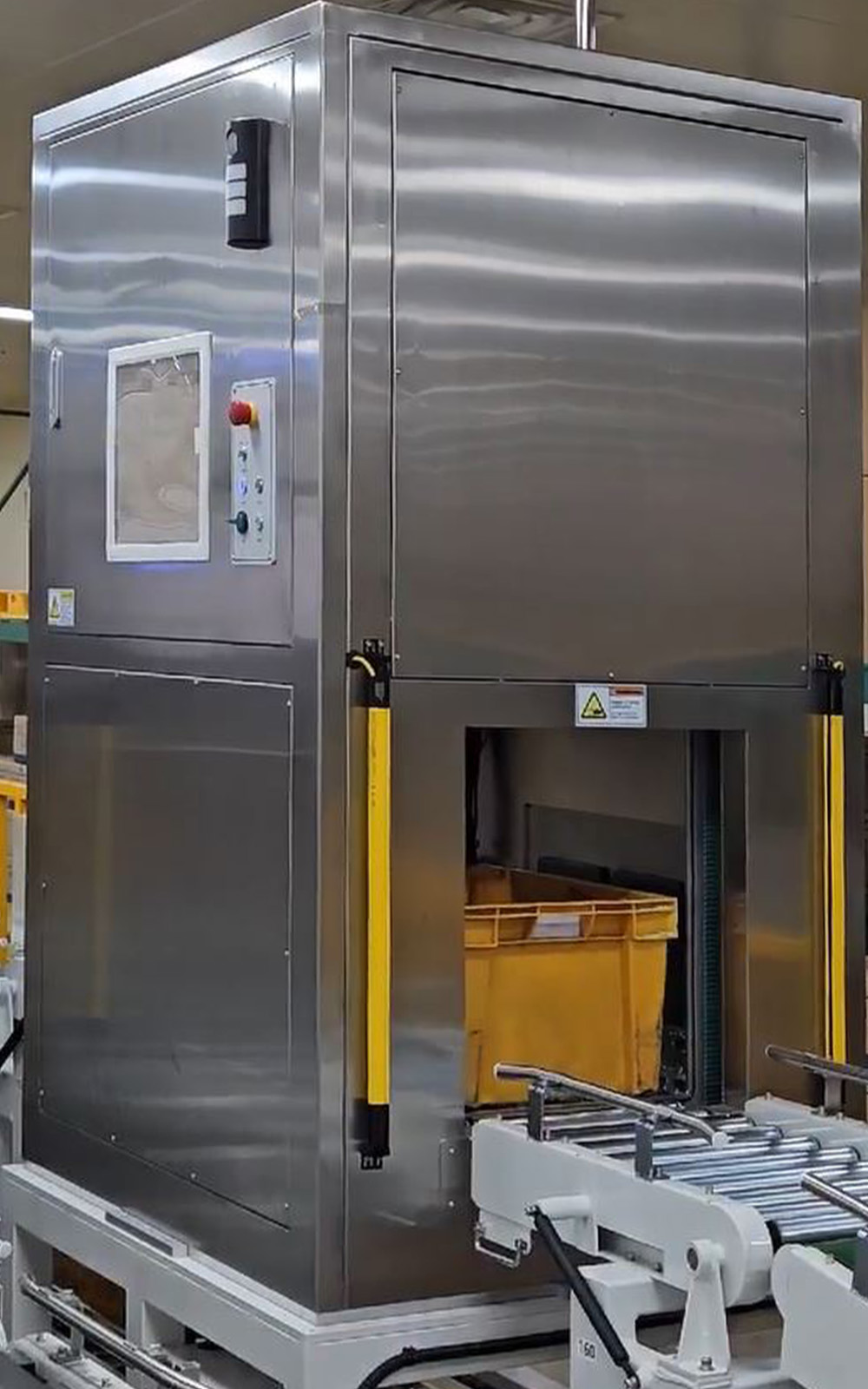
A tunnel RFID matching system was introduced for box-level identification. Boxes passing through the tunnel could be read automatically, allowing shipment, inventory, and usage records to be connected in one workflow.
The RFID tunnel created a verification point where actual outbound items could be compared with purchase request data. This helped reduce manual checks while collecting and verifying movement data in real time.
Outcome Direction
The solution improves outbound accuracy and strengthens the reliability of pharmaceutical logistics data. Inventory status and usage information can be checked in real time, and automated verification helps improve handling speed.
With RFID-based box matching, the logistics process becomes easier to monitor and more suitable for data-driven inventory control.
Source use case: DAT Solution