Press operations depend on correct mold selection, usage control, and maintenance timing. When mold history is not automatically captured, it becomes harder to verify work instructions, manage shot counts, and analyze issues after production problems occur.
This project applied RFID to mold management in a press environment. By identifying molds automatically, the system can support shot count collection, work-instruction matching, and traceable mold history.
Challenge
The site needed a better way to manage mold usage history. Manual tracking made it difficult to confirm which mold was used, how often it had been used, and whether it matched the current work instruction.
This also limited root-cause analysis when production issues appeared.
Applied Solution
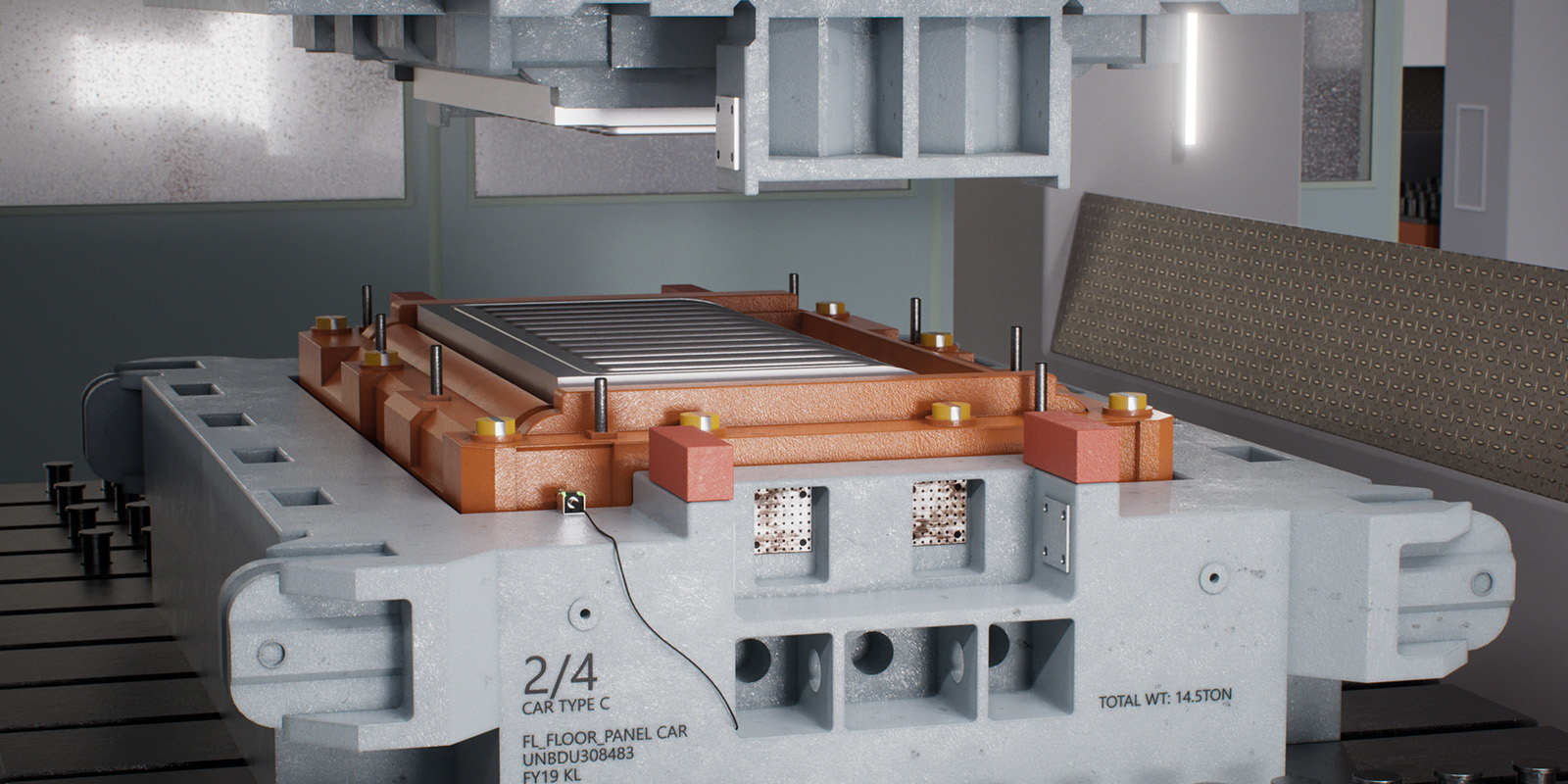
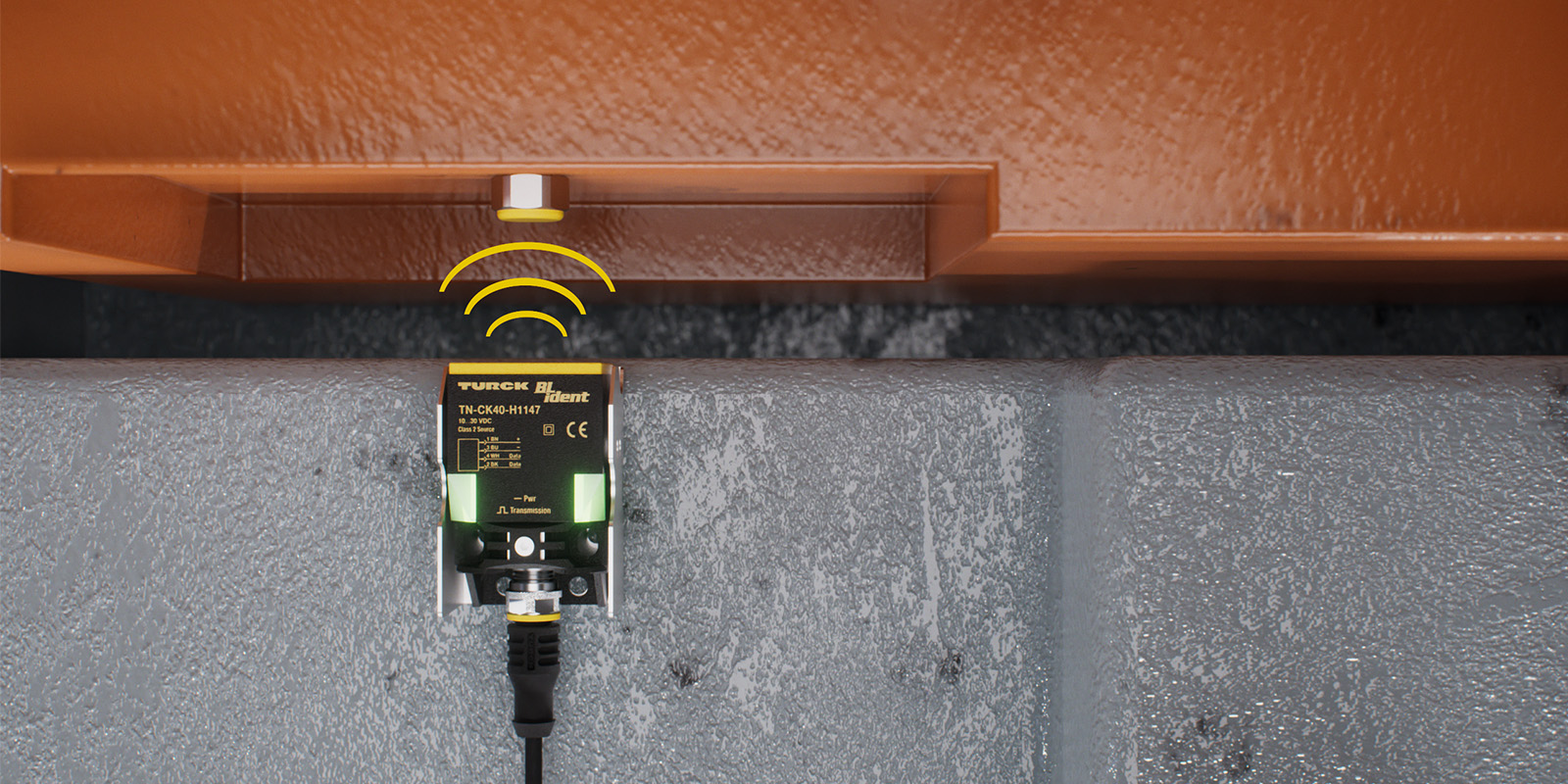
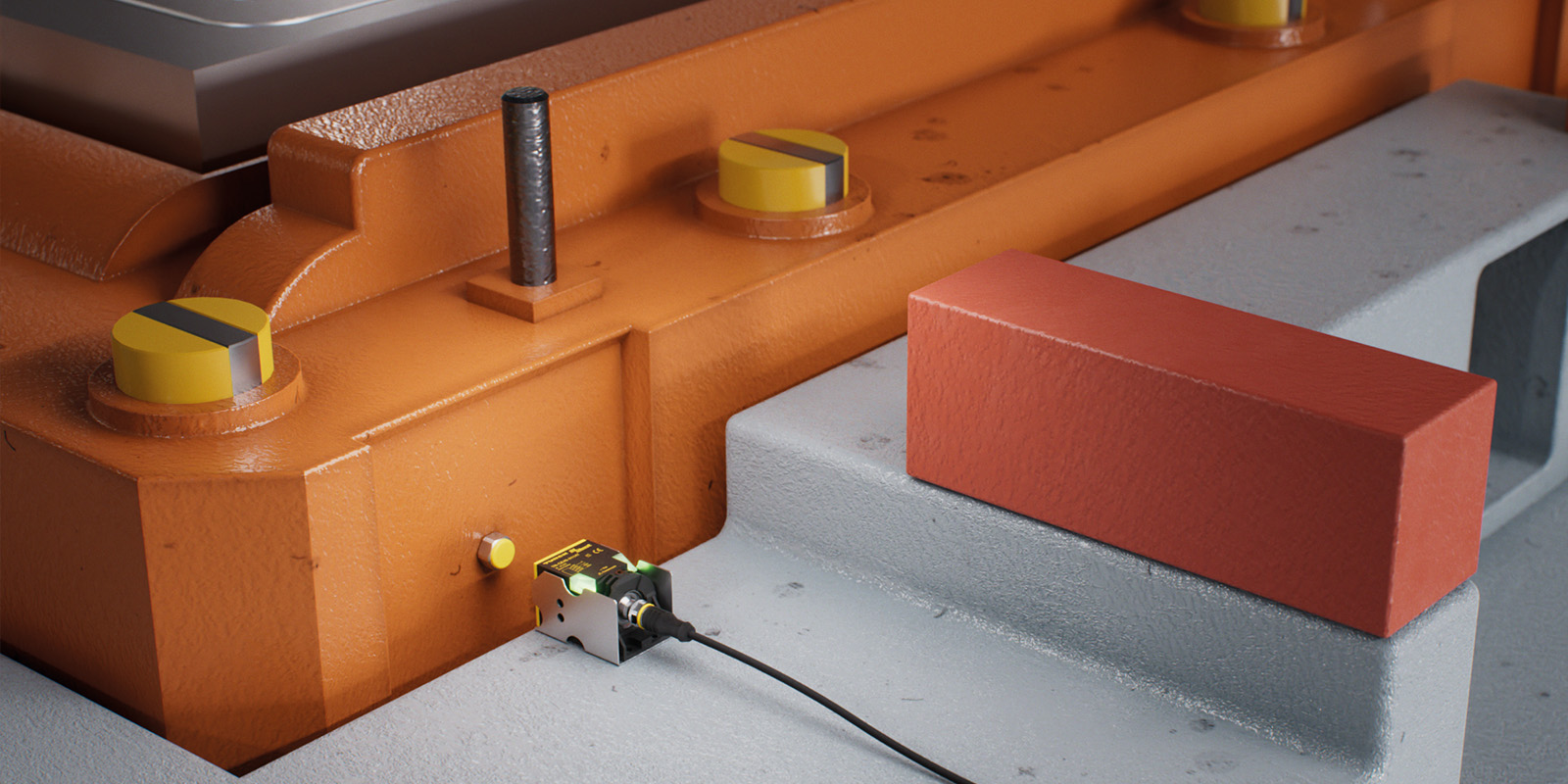
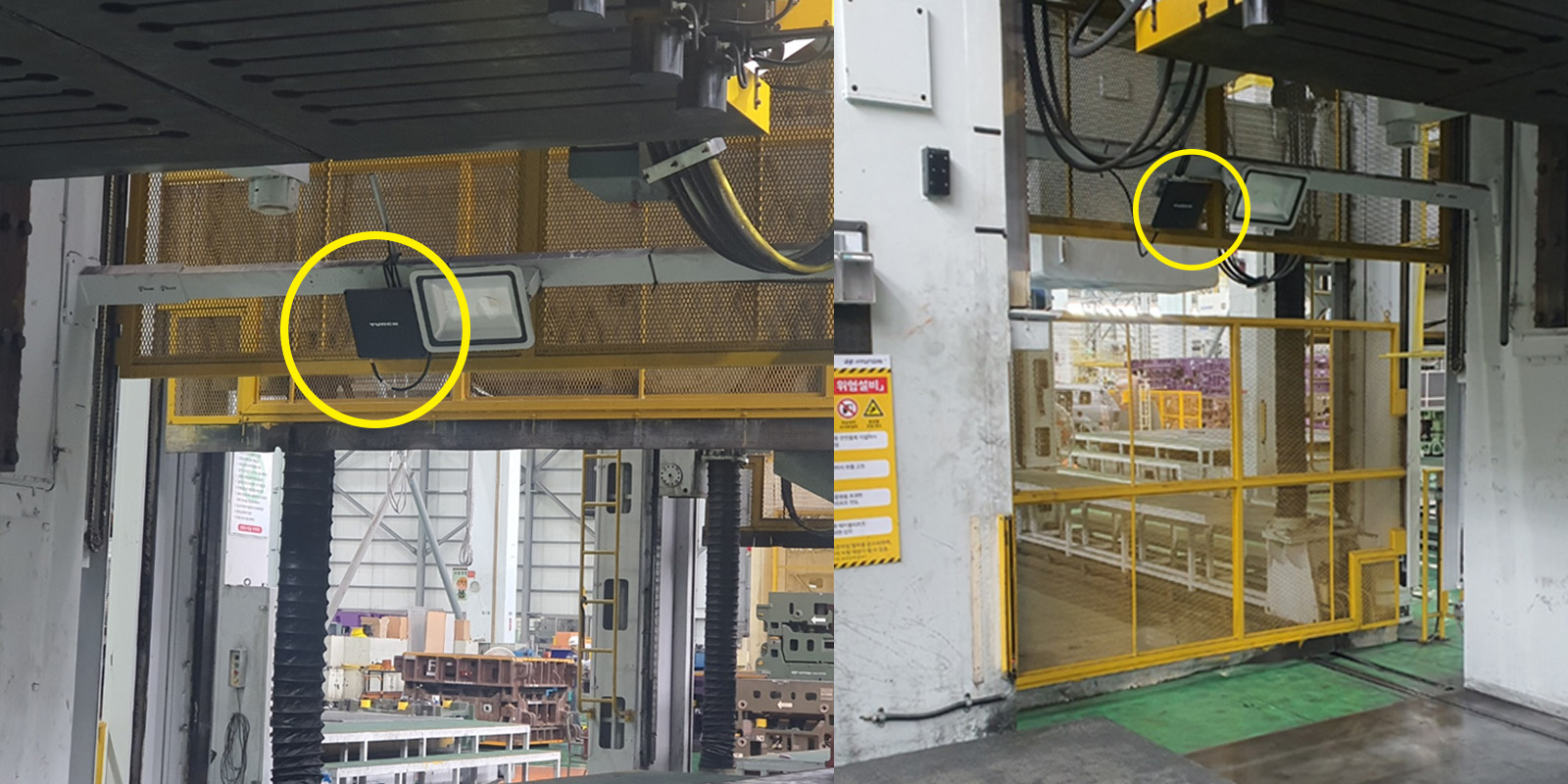
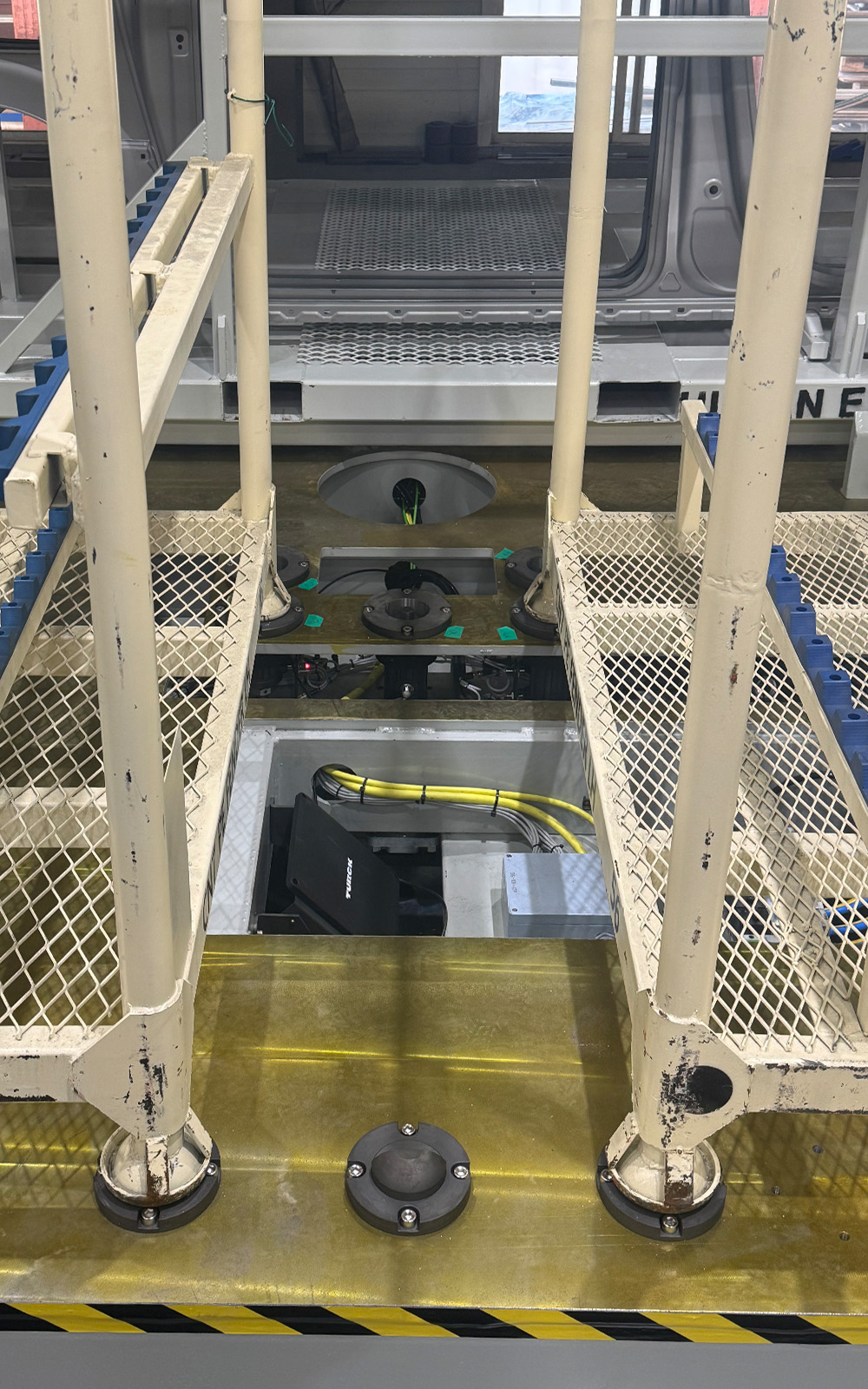
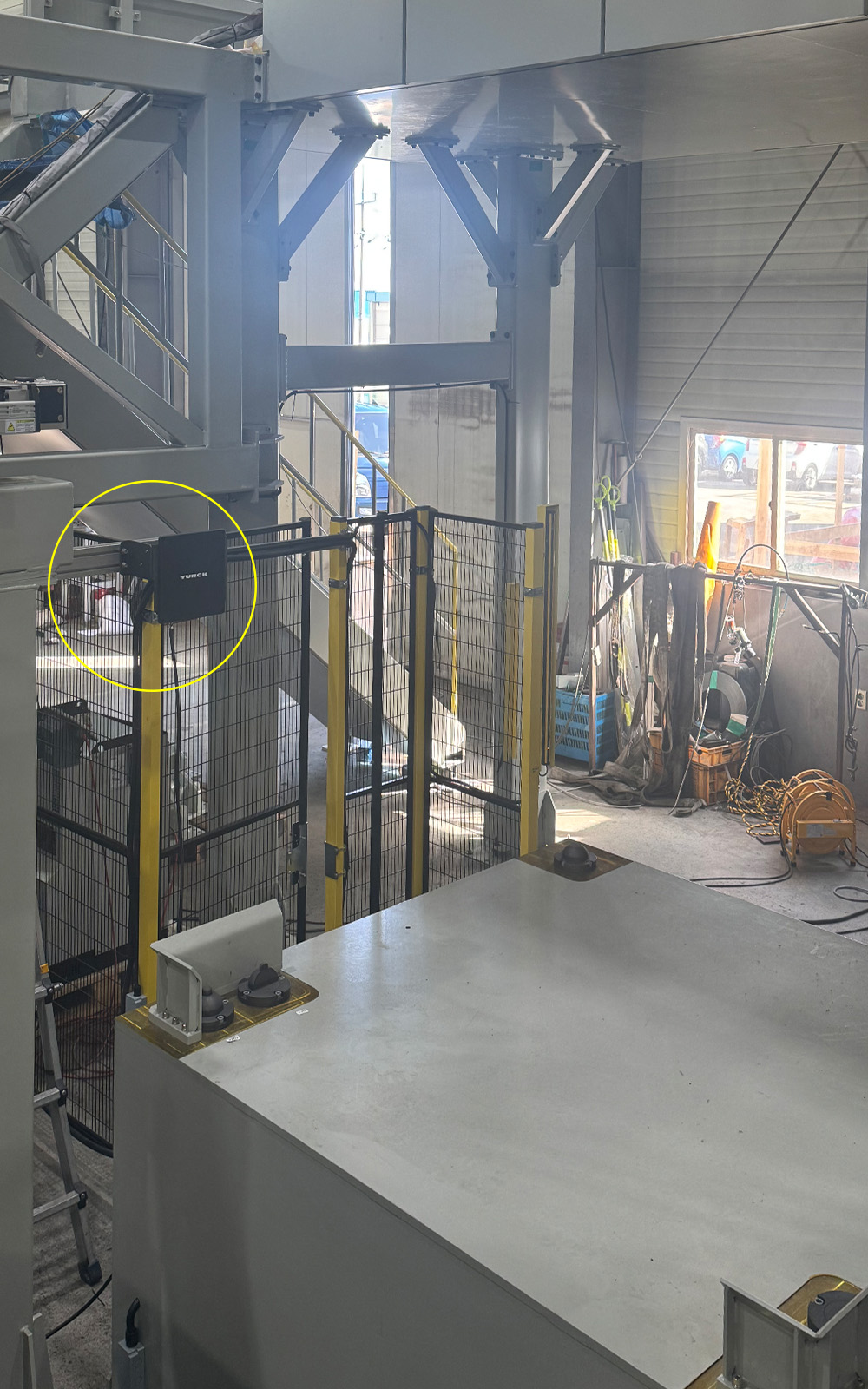
RFID tags were applied to molds so each mold could be automatically identified. The RFID system supports mold-specific shot count aggregation and work-instruction-based mold matching verification.
Mold history data can be stored automatically, making mold lifecycle data easier to review and use for maintenance decisions.
Outcome Direction
RFID-based mold management improves identification accuracy and helps prevent work errors caused by incorrect mold matching. It also supports equipment trouble prevention, mold life management, maintenance optimization, and faster issue analysis.
For press operations, this strengthens process reliability, traceability, and productivity.
Source use case: DAT Solution